Supervised urine collection, formally called direct observed collection, is required in federal workplace programs for return-to-duty and follow-up tests, or when there are signs of tampering. An observer of the same sex watches the urine leave your body and enter the container. Refusing a required observation is documented as a refusal to test, which carries the same weight as a positive result.
TL;DR:
- A temperature outside 90°–100°F, suspicious color or odor, or suspected cheating items can trigger observation during collection.
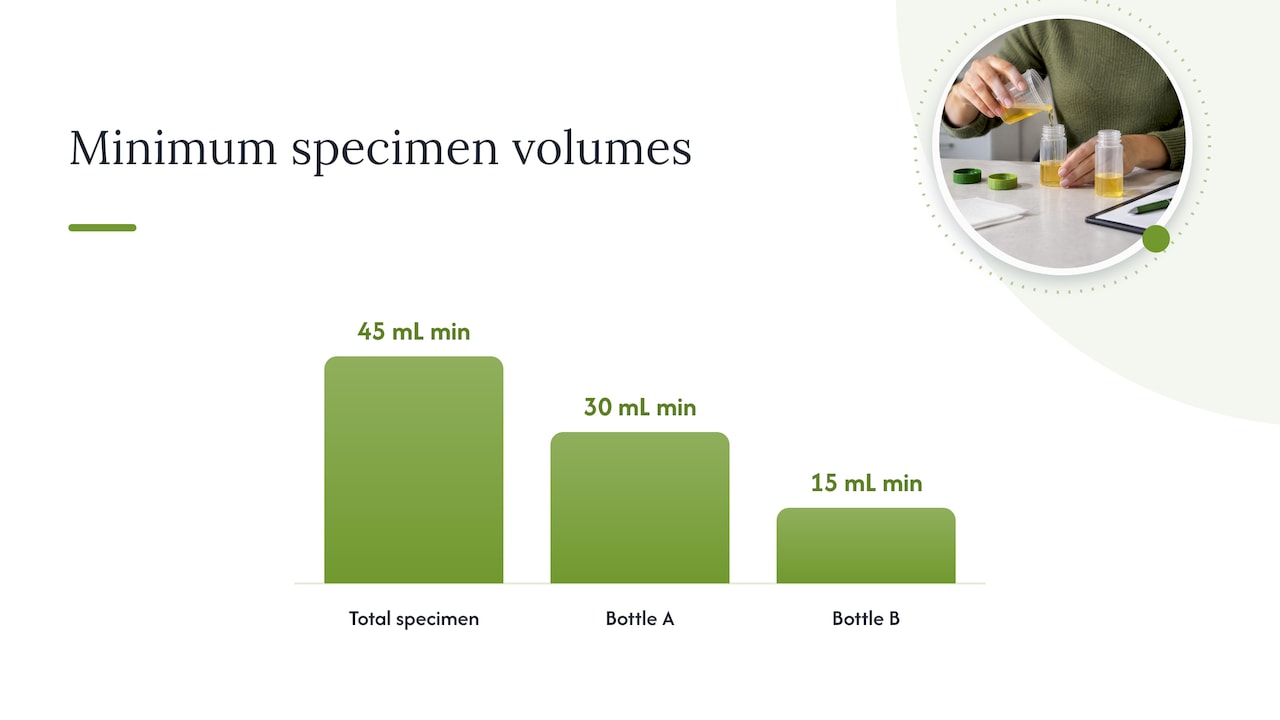
- Provide at least 45 mL; the collector checks temperature within four minutes, then splits it into bottles of at least 30 mL and 15 mL.
- A monitored collection differs from direct observation: only direct observation requires the observer to watch urine pass from your body into the container.
- If you cannot provide enough urine, collectors may ask you to wait up to three hours and offer measured fluids, capped at 40 ounces total.
- If the observer disregards procedure, tell the collector calmly and ask that your concern be recorded on the Federal CCF.
Table of Contents
- When is a urine collection observed?
- What happens step by step during an observed collection?
- How do collectors protect privacy and dignity?
- How is a monitored collection different from direct observation?
- What happens if you refuse or the specimen looks tampered with?
- How can you prepare for an observed collection?
- Why we explain the rules instead of repeating rumors
- Where to go next on NursingScience.org
- FAQ
- Sources
When is a urine collection observed?
Observation is rule-based, not random. In federal workplace programs, a direct observed collection is not a collector’s whim. It is triggered by specific events, and the collector must follow the written procedure. The rules come from SAMHSA (which sets the technical guidelines) and the Department of Transportation (which applies them to regulated transportation jobs).
Typical triggers include:
- A return-to-duty or follow-up test after a prior violation
- A specimen temperature outside the 90°–100°F range, or a suspicious color or odor
- Items found on you or in your belongings that appear designed to cheat a test
Return-to-duty and follow-up tests, along with visible signs of tampering, make direct observation mandatory under DOT rules. Other programs follow similar logic. For example, the Nuclear Regulatory Commission’s procedure requires the program manager or MRO to agree before an observed collection, and the collector must record the reason on the Federal Custody and Control Form (CCF).
If a collection that should have been observed was done unobserved, the site should follow the applicable program’s procedures. Separately, the Collection Site Manual describes monitored collections as a procedure distinct from direct observation.
For background on why employers test in the first place, see our guide to pre-employment drug tests.
What happens step by step during an observed collection?
The sequence is standardized, so you can predict nearly every move. The SAMHSA Urine Specimen Collection Handbook lays out the chain of custody, restroom preparation and specimen checks that collectors follow.
- Identity check. The collector verifies your photo ID and starts the Federal CCF, the form that tracks your specimen from the site to the lab.
- Restroom preparation. The collector adds a bluing agent to the toilet water or disables the water supply to deter dilution and substitution. You are told not to flush.
- Instructions. You are asked to empty your pockets, and the collector explains that you must provide at least 45 mL and return with the specimen.
- Observation. The same-sex observer watches the urine pass from your body into the collection container.
- Volume split. The collector pours at least 30 mL into Bottle A and at least 15 mL into Bottle B, as described in the collection procedures.
- Temperature check. Within four minutes, the collector reads the specimen temperature. The acceptable range is 90°–100°F (32°–38°C).
- Sealing and paperwork. Both bottles are sealed with tamper-evident tape, you initial them, and the CCF copies are distributed.
The specimen must be checked for temperature within four minutes of collection, and it must contain at least 45 mL, according to the SAMHSA handbook. Miss either one and the collector follows a correction or recollection step, which may include observation.
Temperature is a frequent source of confusion, and we cover it in depth in our guide to urine drug test temperature. The Collection Site Manual also spells out what happens with insufficient specimens and collection problems.
How do collectors protect privacy and dignity?
Observation sounds invasive, and the rules respond to that. The procedure is built to confirm one thing only: that the urine you provide came from you.
- Same-sex observer. DOT’s procedures require the observer to be the same sex as the donor and to watch the urine go from the donor’s body into the container.
- Observation procedure. The observer watches the urine go from your body into the collection container.
- Observation procedure. The observer watches the urine flow into the collection container.
- Restroom preparation. The collector prepares the restroom according to the collection-site procedures.
Pro Tip: If you feel the observer is not following the procedure, say so calmly at the site and ask the collector to note your concern on the CCF. Do not leave or refuse a required direct observed collection, because that is treated as a refusal to test.
Our guide to supervised drug tests for females covers gender-specific considerations in more detail.
How is a monitored collection different from direct observation?
Monitored collections and direct observation are often confused, but they are not the same thing. The Collection Site Manual describes monitored collections as a procedure distinct from direct observation. Follow the collector’s instructions about the procedure required for your collection.
Direct observation goes further: the observer is positioned to see the urine leave your body. That makes it a stronger safeguard, and it is reserved for the rule-based triggers described earlier.
- Monitored: a procedure described in the Collection Site Manual
- Direct observed: an observer watches urine flow into the container, and must be the same sex as the donor
- Direct observation is required in specified circumstances, including return-to-duty and follow-up tests or signs of tampering
- Refusing a required direct observed collection is handled as a refusal to test
The Collection Site Manual describes both procedures and the paperwork each requires.
What happens if you refuse or the specimen looks tampered with?
Refusal has formal consequences. When a direct observed collection is required and you do not permit it, the collector documents a refusal to test. Under DOT rules, that carries the same consequences as a positive test. In the NRC framework, declining a required observed collection is treated as an act to subvert testing.
Actions that commonly count as a refusal:
- Refusing a required step, such as the observed portion of a collection
Once a refusal or suspicious specimen is identified, the collector documents it on the Federal CCF, notifies the agency or the employer’s designated representative, and follows the testing program’s refusal procedures. The Collection Site Checklist includes the reporting steps collectors use when a collection problem occurs.
Because the stakes are high, cooperating and raising concerns afterward is almost always better than refusing on the spot. If you want to understand why shortcuts fail, our guide to how detection works across specimens and program rules separates documented testing practice from anecdote.
How can you prepare for an observed collection?
Preparation is mostly logistics and calm. Nothing you can do beforehand changes the procedure, but a few habits prevent delays and suspicion.
- Bring a valid photo ID and any identifiers your employer or program requires
- Follow the collector’s instructions exactly, including emptying your pockets and removing outerwear if asked
- Plan to stay at the site. If you cannot produce enough urine, the collector may ask you to wait up to three hours and may offer measured fluids, commonly 8 ounces every 30 minutes and no more than 40 ounces in total
- If you still cannot provide a specimen, the collector documents the inability and follows the insufficient specimen procedure
- Do not attempt to tamper, conceal prosthetics or use substitution devices, since collectors are trained to spot them and the consequence is a refusal
Pro Tip: Do not drink large amounts of water right before arriving. A very dilute specimen can trigger a recollection, and that can mean a longer day or an observed retest.
For a broader, evidence-based view of testing myths, our guide on how drug tests work and what claims hold up is a good next read.
Why we explain the rules instead of repeating rumors
Most of the anxiety around observed collections comes from stories, not procedures. When I read the official documents, what stands out is how structured and narrow the process is: defined triggers, defined steps, defined protections. My goal here is to give you that picture in plain language so you can walk in knowing what the rules actually say. NursingScience.org exists as an educational resource, and the guides linked throughout this article go deeper on related questions. For anything specific to your program, check the linked official sources directly.
— MIchael
Where to go next on NursingScience.org
If you want more detail on specific parts of testing, we recommend these guides:
- Urine drug test temperature for donors
- Supervised drug tests for females
- Pre-employment drug tests and applicant rights
Our membership page has information about membership.

This article is general information, not a substitute for advice from a qualified lawyer. Consult a qualified legal professional about your own circumstances before acting on anything here.
FAQ
What does a supervised drug test mean?
A supervised drug test is a collection in which an observer or monitor oversees the process to prevent tampering. In a direct observed collection, the observer watches the urine go from your body into the container, and the observer must match your gender identity, per DOT’s procedures.
Can you collect a urine sample from the toilet?
No. In a regulated collection, the restroom is prepared with a bluing agent or a disabled water supply, and you urinate directly into the collection container. The Collection Site Checklist also instructs donors not to flush the toilet.
Do drug tests detect old urine?
Collection rules are designed to catch substitution. The collector checks specimen temperature within four minutes against the 90°–100°F range, and an out-of-range reading can trigger an observed recollection under the SAMHSA handbook.
Is a 24-hour urine collection the same as a supervised drug test?
No. A 24-hour urine collection is a clinical procedure for kidney and metabolic testing, usually done unobserved at home. It is unrelated to workplace supervised drug testing.
Sources
- DOT Rule 49 CFR Part 40 Section 40.67 | US Department of Transportation
- Urine Specimen Collection Handbook – 2024
- eCFR :: 10 CFR 26.115 – Collecting a urine specimen under direct observation.
Recommended
- 90–100°F, Four Minutes: Urine Drug Test Temperature for Donors
- Supervised Drug Tests for Females – Best Guide
- Dilute Urine Drug Tests: 20 mg/dL, 1.003, and What to Do Next
|
The Council for the Advancement of Nursing Science |
   |